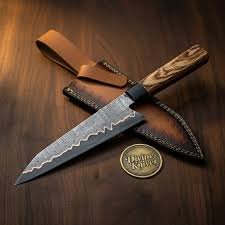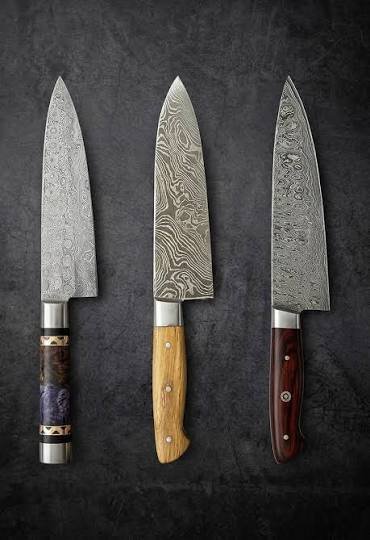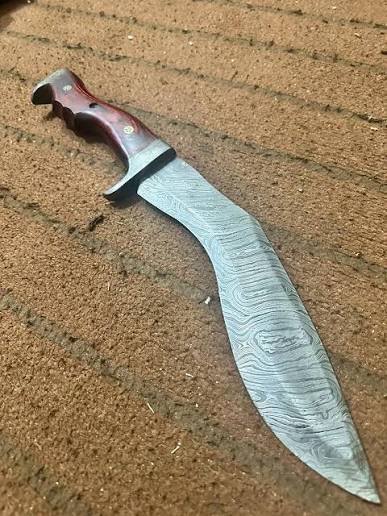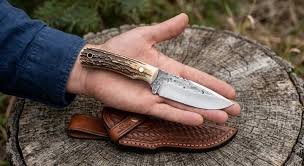
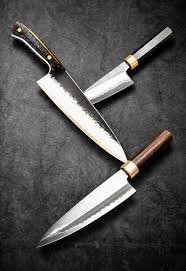
Farrier rasp knives stand out among handmade knives because of their rugged appearance, distinctive surface texture, and connection to traditional blacksmithing. Originally designed for farriers who maintain horses’ hooves, rasps can be repurposed by skilled makers into distinctive knife blades. The result combines a recognizable textured finish with the craftsmanship involved in shaping, heat-treating, and finishing steel. If you appreciate traditional Western designs, explore the handcrafted farrier rasp steel knives at JWSteelCrafts to discover distinctive styles inspired by this practical toolmaking tradition.
Unlike knives made from newly prepared steel stock, a reclaimed rasp knife may begin with a tool that has already served a practical purpose. Its transformation gives the finished knife a unique character, although the original rasp’s history does not automatically guarantee superior performance. Steel condition, heat treatment, blade geometry, and construction remain essential factors when evaluating a handmade knife.
1. Repurposed Steel Gives Farrier Rasp Knives Their Character
One of the defining features of farrier rasp knives is their connection to repurposed steel. A farrier’s rasp is a coarse metal file used to shape and maintain a horse’s hooves. When a rasp is no longer suitable for its original job, a knife maker may assess whether its steel can be reused.
This process can turn an old tool into a new handcrafted object with a different purpose.
From Working Tool to Handmade Knife
Transforming a rasp into a knife requires more than cutting a blade shape into the metal. Depending on the condition and composition of the original steel, the maker may need to prepare the material, shape the blade, refine its geometry, apply suitable heat treatment, and finish the surface.
The maker must also assess the original tool’s condition. Cracks, excessive wear, unknown steel composition, or previous damage can affect whether a particular rasp is suitable for reuse.
A Connection to Traditional Toolmaking
Repurposing steel reflects a longstanding practical approach to craftsmanship: finding another use for a material that still has potential value. This connection appeals to people who appreciate handmade tools, resourcefulness, and traditional workshop techniques.
However, not every farrier rasp knife is made from reclaimed steel. Some makers use new material with a rasp-inspired finish. Buyers should check the individual product description to understand how a particular knife was produced.
2. The Distinctive Rasp Texture Creates a Rugged Appearance
The surface texture is another reason farrier rasp knives stand out. Traditional rasps feature rows of teeth designed to remove material through repeated contact. When a rasp is repurposed, a maker may preserve some of its original texture as a visual feature of the finished knife.
This produces an appearance that differs from the smooth, polished surface of many conventional blades.
A Recognizable Handmade Finish
The remaining rasp marks can create a rugged, industrial look. Depending on the maker’s finishing choices, the texture may appear along part of the blade while the cutting edge is ground smooth.
This contrast gives the knife a distinctive appearance and highlights the material’s original form.
Texture Does Not Guarantee Better Performance
A textured blade may look more substantial, but its appearance alone cannot establish sharpness, durability, or edge retention. Those characteristics depend on the steel, heat treatment, blade geometry, and workmanship.
When comparing farrier rasp knives, appreciate the surface finish while also reviewing the specifications that affect practical performance.
3. Ram Horn Handles Add Traditional Western Character
Handle design is another feature that distinguishes many handmade farrier rasp knives. Materials such as wood, bone, and horn can complement the rugged blade texture and reinforce the knife’s traditional Western appearance.
Ram horn handles are particularly appealing to buyers who appreciate natural materials and cowboy-inspired styling.
Natural Variation Makes Each Handle Distinctive
Ram horn can vary in color, grain, and surface appearance. These natural differences mean two handles made from the same general material may not look identical.
The handle’s fit and finish matter just as much as its appearance. Look for secure construction, comfortable contours, and a finish that suits the knife’s intended use.
A Closer Look at a Farrier Rasp Cowboy Knife
For a specific example, consider the Farrier Rasp Cowboy Knife with Ram Horn Handle from JWSteelCrafts. Its combination of rasp-inspired steel and a natural horn handle illustrates how material choice can create a distinctive cowboy style design.
Review the product page for the current specifications, included accessories, and care recommendations before deciding whether it suits your needs.
4. The Forging and Heat-Treatment Process Matters
Although a rasp may have been manufactured for demanding work, its original purpose does not guarantee that it will perform well as a knife blade. Repurposing requires careful evaluation and, where necessary, additional processing.
Shaping the Blade
A maker may forge or grind suitable rasp steel into a new blade profile. This stage determines the knife’s shape, thickness, edge geometry, and overall proportions.
The maker must work with the condition and characteristics of the available material. Excessive grinding, hidden defects, or unsuitable geometry can affect the finished knife.
Heat Treatment Influences Performance
Heat treatment is particularly important when evaluating a reclaimed rasp knife. The original tool may have been hardened for its initial purpose, but reshaping and heating can change the steel’s properties.
A suitable heat-treatment process helps establish the intended balance of hardness and toughness. The result depends on the steel’s composition and the maker’s control over the process.
For this reason, buyers should prioritize clear product information and evidence of sound craftsmanship rather than assuming every rasp steel knife performs equally well.
5. Farrier Rasp Knives Offer a Distinctive Alternative to Conventional Knives
Many conventional knives feature smooth blade finishes and standardized designs. Farrier rasp knives appeal to buyers who prefer a more rugged appearance and a stronger connection to traditional toolmaking.
Their appeal often comes from the combination of texture, natural handle materials, and Western-inspired styling.
| Feature | Farrier rasp knife | Conventional smooth-finish knife |
|---|---|---|
| Blade appearance | May retain a distinctive rasp texture | Often has a polished or uniform finish |
| Material story | May use reclaimed farrier rasp steel | Often uses newly prepared blade stock |
| Design character | Commonly rustic or Western-inspired | Available in a broad range of styles |
| Performance | Depends on steel, geometry, and heat treatment | Also depends on steel, geometry, and heat treatment |
| Maintenance | May require corrosion protection, depending on the steel | Depends on the blade material and finish |
Neither category is automatically superior. The best choice depends on the buyer’s preferred style, practical requirements, and willingness to maintain the blade.
6. Their Western Heritage Appeals to Ranchers and Collectors
Farrier rasp knives have a natural connection to horses, ranch work, and traditional workshops. That association gives them an appeal beyond their physical construction.
For collectors, a knife inspired by farrier tools can represent resourcefulness and the transformation of a working object into something with a new purpose. For enthusiasts of Western design, its rugged finish and traditional handle materials can complement other cowboy-inspired pieces.
However, a modern knife made from reclaimed rasp steel should not automatically be described as an antique or historical artifact. Its actual age and provenance depend on the documented history of the original material and the finished knife.
Collectors should look for accurate descriptions and avoid paying a premium based on unsupported historical claims.
7. What to Check Before Buying a Handmade Farrier Rasp Knife
If you are considering a farrier rasp knife, evaluate its construction as carefully as its appearance.
- Steel information: Check whether the blade uses reclaimed rasp steel and whether the seller provides material details.
- Heat treatment: Look for information about the blade’s preparation and intended performance.
- Blade geometry: Review the blade profile, edge design, and dimensions.
- Handle construction: Examine the material, fit, finish, and comfort.
- Sheath and storage: Check whether a sheath is included and whether it suits the particular knife.
- Maintenance: Understand cleaning, drying, and corrosion-prevention requirements.
- Seller transparency: Review product photographs, specifications, return terms, and available customer feedback.
These checks can help you distinguish a thoughtfully made knife from a product whose marketing emphasizes appearance without explaining its construction.
8. How to Maintain a Farrier Rasp Steel Knife
Many reclaimed rasp knives use high-carbon steel, which can develop rust if exposed to moisture. The precise maintenance requirements depend on the blade’s composition and finish.
To help preserve the knife:
- Clean the blade after use and remove any residue.
- Dry it thoroughly before putting it away.
- Apply a suitable protective oil when recommended by the manufacturer.
- Store the knife in a dry, secure location.
- Avoid leaving a damp blade inside a leather sheath for extended periods.
- Inspect the handle, blade, and sheath periodically for signs of damage.
Natural horn handles may also need appropriate care to preserve their finish. Follow the seller’s instructions rather than applying unverified treatments.
A little routine attention can help maintain the knife’s appearance and condition over time.
9. Why Explore Farrier Rasp Knives at JWSteelCrafts?
For buyers interested in rustic blade textures and traditional cowboy styling, JWSteelCrafts offers a starting point for comparing rasp steel knife designs.
You can browse the JWSteelCrafts rasp steel knife collection to explore the available range. Compare the individual models according to their blade profiles, handle materials, construction details, and intended uses.
If you prefer a natural handle with a traditional Western look, the Farrier Rasp Cowboy Knife with Ram Horn Handle is one specific design to consider.
Before ordering, check the current product description for exact dimensions, included accessories, shipping information, and care instructions. This helps ensure that the knife matches your expectations, whether you are purchasing for a collection, a gift, or appropriate everyday utility.
Conclusion
Farrier rasp knives are unique because they combine the character of traditional farrier tools with the skill involved in handmade knife production. Their distinctive surface texture, potential use of reclaimed steel, natural handle materials, and Western-inspired appearance set them apart from many conventional knife designs.
However, the original rasp alone does not determine the quality of the finished blade. Steel condition, heat treatment, geometry, handle construction, and finishing all influence the result.
If you appreciate rugged craftsmanship and cowboy-style designs, explore the rasp steel knife collection at JWSteelCrafts. Compare individual products carefully, consider their maintenance requirements, and choose a knife based on its documented qualities rather than appearance alone.
Frequently Asked Questions
1. What is a farrier rasp knife?
A farrier rasp knife is a knife made using steel from a farrier’s rasp or designed with a rasp-inspired finish. Some makers repurpose used rasps, while others may use new steel to create a similar appearance.
2. Why are farrier rasp knives unique?
They can combine reclaimed tool steel, distinctive surface textures, handmade construction, and traditional Western styling. The exact characteristics depend on the maker and the individual knife.
3. Are farrier rasp knives made from high-carbon steel?
Many traditional rasps are made from hard, wear-resistant steel, and some reclaimed rasp knives use high-carbon tool steel. However, composition varies, so buyers should check the seller’s specifications instead of assuming the alloy.
4. Do farrier rasp knives hold an edge well?
Edge retention depends on the steel composition, heat treatment, blade geometry, and workmanship. A knife made from rasp steel does not automatically outperform other knives.
5. Why do some farrier rasp knives have textured blades?
The texture may come from the original rasp teeth that the maker preserves during shaping and finishing. It provides a distinctive appearance, but does not by itself guarantee better cutting performance.
6. Are ram horn handles suitable for handmade knives?
Ram horn offers a natural appearance with variations in color and texture. Its suitability depends on the quality of the material, handle construction, fit, and maintenance.
7. How do you care for a farrier rasp steel knife?
Clean and dry the blade after use, apply suitable protective oil when recommended, and store it in a dry location. Follow the manufacturer’s instructions for the blade and handle materials.
8. Are farrier rasp knives good for collectors?
They can appeal to collectors who appreciate reclaimed materials, rustic finishes, traditional toolmaking, and Western-inspired designs. Collectibility and resale value depend on the individual knife, its maker, condition, and market demand.
9. What should you look for when buying a farrier rasp knife?
Review the steel information, heat treatment, blade dimensions, handle construction, finish, sheath, maintenance requirements, and seller policies. Clear product specifications are more useful than appearance alone.
10. Where can you buy handmade farrier rasp knives?
You can explore the rasp steel knife collection at JWSteelCrafts and review individual product pages for current specifications and purchasing details.