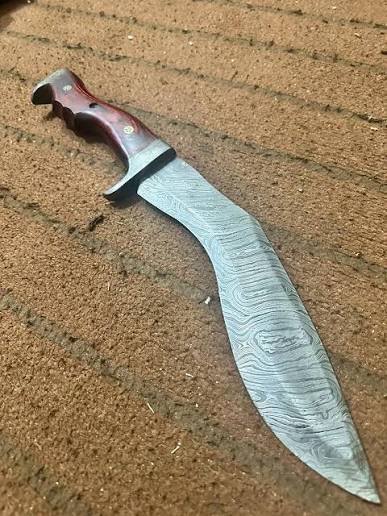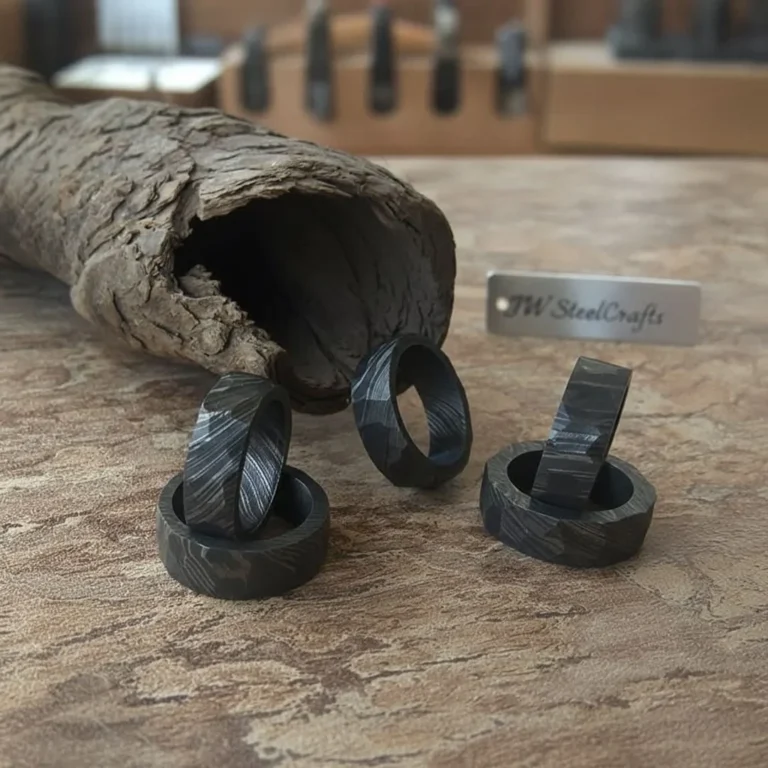
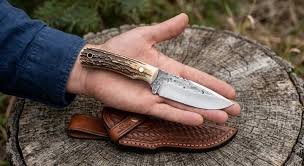
Outdoor retailers need reliable suppliers, competitive pricing, and quality products to build a successful camping and hunting gear business. As demand for outdoor equipment creates opportunities for specialist stores, choosing the right inventory becomes essential for attracting customers and maintaining healthy profit margins. Retailers looking to expand their product range can explore JWSteelCrafts bulk outdoor knives for camping and hunting retailers to evaluate available options for their stores.
Selecting the right products requires more than comparing wholesale prices. Retailers must consider blade materials, handle construction, product specifications, customer preferences, and supplier reliability. For example, the JWSteelCrafts 10 inch Damascus hunting knife with a drop point blade and olive wood handle for outdoor retailers is worth evaluating when comparing hunting knife designs for a camping and outdoor equipment inventory.
Outdoor Retailer 2027 also provides a useful opportunity for businesses to research industry developments, connect with potential suppliers, and plan future inventory purchases. With the right sourcing strategy, outdoor shops can build a product selection that meets customer needs while supporting long-term business growth.
What Is Outdoor Retailer 2027?
Outdoor Retailer is a trade event serving the outdoor recreation industry. It brings together retailers, brands, manufacturers, and other industry professionals to explore products, exchange ideas, and develop business relationships.
Outdoor Retailer 2027 is scheduled for August 18–20, 2027, at the Minneapolis Convention Center in Minneapolis, Minnesota. Retailers should consult the official Outdoor Retailer website for the latest dates, registration details, exhibitor information, and event updates.
For camping and hunting gear shops, industry events can provide opportunities to discover new products, compare suppliers, and understand changing customer preferences. Although not every knife supplier will necessarily exhibit, the event can help retailers explore the wider outdoor equipment market.
Why Outdoor Shops Need a Reliable Knife Sourcing Strategy
Outdoor knives come in different styles, materials, sizes, and price ranges. Without a clear purchasing strategy, retailers risk investing in products that do not match customer demand or generate sufficient sales.
A reliable sourcing strategy helps shop owners balance product quality, purchasing costs, inventory levels, and customer expectations.
Understand Your Target Customers
Before contacting suppliers, identify the customers your shop serves.
A camping store may prioritize compact folding knives, lightweight equipment, and general-purpose outdoor tools. A hunting specialist may need a broader selection of dedicated hunting knives and related accessories.
Stores serving several customer groups should offer a balanced product range rather than concentrating their purchasing budget on one category.
Review previous sales, customer feedback, seasonal trends, and frequently asked questions to determine which products deserve priority.
Set a Realistic Purchasing Budget
A wholesale price does not represent the total cost of stocking a product. Shipping charges, import duties, packaging, payment fees, and potential returns can affect the final cost.
Retailers should calculate the landed cost per item and compare it with the expected selling price. Before placing a bulk order, confirm minimum order quantities, available price tiers, delivery estimates, and payment conditions.
A clear budget helps retailers avoid tying up too much capital in inventory that may sell slowly.
Prioritize Product Quality
Competitive pricing matters, but product quality should remain a central consideration. Retailers should evaluate blade materials, handle construction, finish, packaging, and consistency across individual items.
Ask suppliers for accurate specifications and verify that their product descriptions match the items being offered. Where possible, request samples before committing to a large order.
Clear specifications also make it easier for staff to answer customer questions and create accurate online product listings.
Essential Knife Categories for Outdoor Retailers
A successful outdoor shop can carry several knife categories to serve customers with different needs. The ideal product mix depends on the store’s audience, budget, location, and sales history.
Fixed-Blade Outdoor Knives
Fixed-blade knives feature blades that do not fold into their handles. They can suit customers looking for outdoor cutting tools with straightforward construction.
When evaluating these knives, retailers should consider blade dimensions, handle ergonomics, sheath quality, materials, and intended applications.
Not every fixed-blade knife is suitable for chopping or heavy impact. Retailers should communicate the manufacturer’s recommended uses and limitations.
Hunting Knives
Hunting knives are designed for tasks associated with hunting, including skinning and field processing legally harvested game.
Retailers should compare blade profiles, steel specifications, edge geometry, corrosion resistance, handle materials, and cleaning requirements.
Drop-point designs are commonly found in hunting knife collections, but the best option depends on the customer’s intended application and the particular knife’s construction.
Damascus Hunting Knives
Damascus hunting knives are often recognized for their distinctive layered patterns and decorative appearance. They can appeal to buyers who appreciate traditional styling alongside practical outdoor equipment.
However, a Damascus pattern alone does not establish a knife’s quality or performance. Retailers should verify the steel composition, construction details, heat treatment information, and manufacturer specifications.
Handle material also deserves attention. Olive wood can appeal to customers who prefer natural grain and traditional styling, but it may require appropriate care when exposed to moisture.
For outdoor retailers, comparing these characteristics can help determine whether a particular Damascus hunting knife suits the store’s product range and target market.
Folding Knives
Folding knives offer a compact option for customers who prioritize portability. They can suit general utility tasks, hiking kits, and lightweight camping equipment.
When sourcing folding knives, examine the locking mechanism, blade material, handle construction, ease of maintenance, and safe storage options.
Retailers should explain the intended applications and limitations of each product rather than presenting every folding knife as suitable for all outdoor tasks.
Bushcraft Knives
Bushcraft knives are designed for outdoor skills such as controlled carving and working with natural materials.
Customers may prioritize blade geometry, handle comfort, edge maintenance, and ease of sharpening. Retailers can position these products alongside camping equipment and related outdoor accessories.
Accurate descriptions help customers distinguish light carving tools from products designed for other applications.
How to Evaluate Wholesale Knife Suppliers
Choosing a supplier involves more than finding the lowest quotation. Retailers need to assess reliability, product quality, communication, and the commercial terms attached to each order.
Compare Prices and Order Quantities
Ask suppliers for current pricing at different order quantities. Larger orders may reduce the cost per item, but they can also increase storage requirements and the risk of unsold inventory.
Compare the total cost of purchasing, shipping, and storing products against realistic sales forecasts.
Verify Product Specifications
Request clear information about steel types, handle materials, dimensions, construction, and maintenance requirements.
Avoid relying solely on product photographs or promotional descriptions. Documented specifications provide a stronger basis for comparing suppliers and preparing accurate product listings.
Check Product Consistency
Retailers need confidence that repeat orders will match the original descriptions and quality expectations.
Ask about quality-control procedures, packaging standards, inspection options, and how suppliers resolve damaged or incorrect deliveries.
These checks become especially important when ordering larger quantities for resale.
Review Shipping and Return Policies
Delivery delays can affect seasonal sales, particularly when retailers prepare for camping holidays or hunting seasons.
Confirm processing times, shipping methods, tracking availability, return conditions, and procedures for defective or missing items. International buyers should also review customs requirements and applicable import restrictions.
Build a Long-Term Supplier Relationship
Reliable communication can make future purchasing easier. Suppliers who provide accurate information and clear commercial terms help retailers plan inventory more confidently.
Retailers should maintain written records of quotations, product specifications, purchase orders, and agreed delivery schedules.
How to Prepare Your Store for Outdoor Retailer 2027
Outdoor Retailer 2027 can serve as a planning milestone for shops preparing future inventory purchases.
Before attending, identify the product categories you want to research and prepare questions for prospective suppliers. These might include pricing, minimum order quantities, product specifications, warranties, and delivery arrangements.
Research Products Before the Event
Review your existing inventory and identify gaps in your current selection. If customers frequently request hunting knives or outdoor accessories that you do not stock, investigate suitable options before committing to new products.
Compare potential products using consistent criteria, including quality, price, intended use, customer demand, and supplier reliability.
Prepare Questions for Suppliers
A supplier checklist can help you compare different offers fairly.
Ask about:
- Product materials and documented specifications.
- Minimum order quantities and price tiers.
- Quality-control procedures.
- Shipping times and available delivery methods.
- Warranty and return conditions.
- Product availability and repeat-order arrangements.
Follow Up After the Event
Organize supplier contacts, quotations, product information, and samples after the event.
Compare each offer with your purchasing budget and sales forecasts. Verify any missing information before placing an order, and avoid committing to large quantities simply because a supplier offers a temporary promotion.
How Outdoor Retailers Can Manage Inventory More Effectively
Inventory planning helps retailers balance product availability with the cost of holding stock.
Start With a Focused Product Range
Rather than buying many variations immediately, begin with products that match your main customer groups. Track sales and feedback before expanding into additional categories.
Monitor Seasonal Demand
Camping, hiking, and hunting equipment may experience seasonal changes in demand. Review historical sales and supplier lead times to plan purchases ahead of busy periods.
Improve Product Presentation
Clear photography, accurate specifications, and useful descriptions help customers compare products online and in stores.
Explain materials, dimensions, maintenance requirements, and intended applications. Avoid unsupported performance claims that could mislead customers.
Review Profit Margins Regularly
Calculate product costs and expected selling prices before purchasing. Account for shipping, discounts, returns, and other business expenses when estimating profitability.
Review sales performance regularly so you can adjust future order quantities and reduce the risk of excess stock.
Legal Compliance and Responsible Knife Retailing
Knife laws vary across the United States. Rules concerning blade length, concealed carry, transportation, restricted locations, and sales can differ by state and locality.
Retailers should verify the regulations relevant to their business and the locations they serve. Online sellers should also review applicable shipping restrictions before accepting orders.
Provide accurate safety information and encourage responsible handling, secure storage, and compliance with manufacturer instructions. Avoid making blanket claims that a knife is legal everywhere or appropriate for every activity.
Common Mistakes to Avoid When Sourcing Knives
Buying Excessive Inventory
Large orders can lower unit costs but may tie up capital in slow-moving products. Base purchasing decisions on realistic demand and available storage.
Choosing Products Based Only on Price
A low price does not guarantee suitable quality or profitability. Compare materials, specifications, supplier reliability, and expected customer demand.
Ignoring Supplier Terms
Unclear delivery, warranty, and return conditions can create unnecessary costs. Confirm commercial terms before placing an order.
Overlooking Customer Education
Customers may need guidance on knife types, materials, and maintenance. Well-informed staff and accurate descriptions can improve the buying experience.
Depending Entirely on One Supplier
Where practical, develop relationships with multiple suitable suppliers. This can provide additional sourcing options if availability or delivery schedules change.
Conclusion
Sourcing knives and accessories for outdoor shops requires careful planning, reliable supplier relationships, and a clear understanding of customer needs. Fixed-blade knives, hunting knives, Damascus designs, folding knives, and bushcraft tools can all serve useful roles when selected according to market demand.
Outdoor Retailer 2027 offers an opportunity to research the outdoor equipment market, explore supplier relationships, and prepare future inventory purchases. Retailers should combine event research with product verification, cost analysis, and practical inventory management.
By evaluating product specifications, comparing commercial terms, and monitoring customer demand, outdoor shops can build a more competitive product selection. Exploring the options available through JWSteelCrafts can be one step in that process, provided retailers verify current availability, pricing, and purchasing conditions before ordering.
Frequently Asked Questions
What is Outdoor Retailer 2027?
Outdoor Retailer 2027 is a trade event for the outdoor recreation industry. Its current published schedule lists August 18–20, 2027, in Minneapolis, Minnesota. Check the official event website for updates.
How should outdoor shops source hunting knives?
Retailers should compare suppliers, verify materials and specifications, review minimum order quantities, and confirm shipping, warranty, and return policies before purchasing.
What should retailers consider when buying knives in bulk?
Consider total landed cost, product consistency, minimum order quantities, supplier reliability, storage capacity, expected demand, and the terms for damaged or incorrect items.
Are Damascus hunting knives suitable for outdoor retailers?
They can be a useful category for retailers serving customers who appreciate distinctive patterns and traditional styling. Retailers should verify materials, construction, intended use, and care requirements before adding a product to their inventory.
How can outdoor retailers reduce excess inventory?
Start with a focused product range, review historical sales, test demand, and increase order quantities gradually. Avoid placing large orders solely to obtain a lower unit price.
What should retailers ask a bulk knife supplier?
Ask about current prices, minimum quantities, material specifications, stock availability, shipping, quality control, warranties, return policies, and applicable compliance requirements.