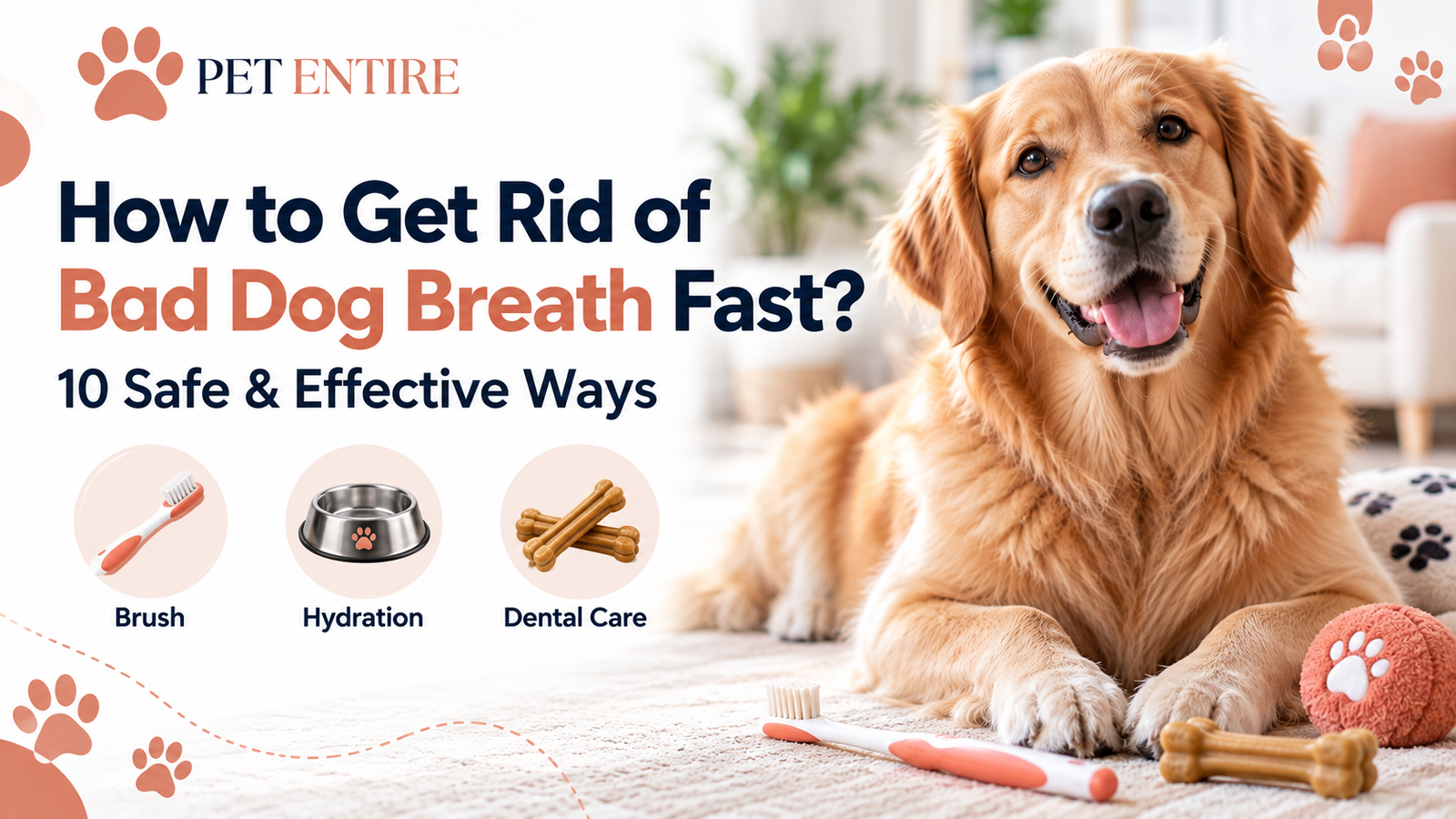
Bad dog breath is common, but it should not always be treated as normal. If you are searching for how to get rid of bad dog breath fast, the first thing to understand is why the odor is happening. A temporary smell after eating may disappear on its own. Persistent rotten, fishy, sweet, or ammonia-like breath can point to a dental or medical problem.
The most common cause is plaque, tartar, gingivitis, and periodontal disease. Other causes include trapped food, broken teeth, foreign objects, dehydration, diet, and certain illnesses. Daily dental care can help, but freshening your dog’s breath is not the same as treating the cause. If the odor keeps returning, your dog may need a veterinary examination.
How to Get Rid of Bad Dog Breath Fast?
If you want to know how to get rid of bad dog breath fast, start with the basics: brush your dog’s teeth with pet toothpaste, provide fresh water, and use a suitable dental chew or other veterinary-recommended dental product. These steps help control plaque bacteria and food debris.
The important point is that fresh breath does not always mean a healthy mouth. A breath freshener can temporarily reduce an odor while tartar, periodontal disease, or an infected tooth remains underneath. Veterinary sources identify periodontal disease as the most common cause of canine halitosis.
| Dental-care method | What it can do | Main limitation |
|---|---|---|
| Daily toothbrushing | Removes plaque | Does not remove hardened tartar |
| Fresh water | Supports hydration | Does not treat dental disease |
| Dental chews | May reduce plaque | Cannot clean every area |
| Dental water additives | May support plaque control | Not a substitute for brushing |
| Professional cleaning | Removes plaque and calculus above and below the gumline | Requires veterinary care |
Start a Daily Dental Routine
Instead of treating brushing, water, and dental chews as separate cures, use them together as one home dental care routine. Daily toothbrushing is the most effective home method for controlling plaque. Veterinary-recommended chews, dental diets, and water additives can provide additional support.
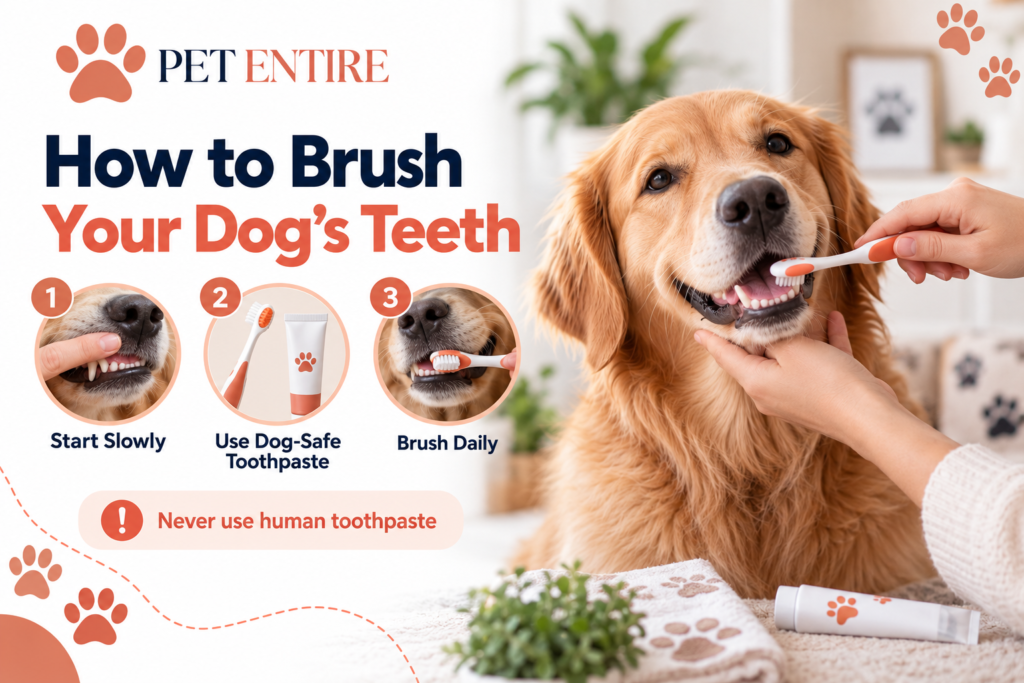
Use a soft pet toothbrush and toothpaste made for dogs. Never use human toothpaste, particularly products that may contain xylitol. Introduce brushing slowly if your dog is not used to having their mouth handled. Short, positive sessions are better than forcing a long cleaning.
Use Appropriate Dental Products
Dental chews and water additives can complement brushing when you choose products designed for canine oral health. Products carrying the Veterinary Oral Health Council (VOHC) seal have undergone evaluation for specific dental claims.
Chews should be appropriate for your dog’s size and chewing style. Avoid extremely hard objects such as antlers, bones, and very hard toys because they can fracture teeth. Cornell specifically warns that hard chewing objects can cause tooth wear or fractures.
Schedule Professional Dental Care When Needed
Home care cannot remove established tartar or fully examine the area below the gumline. A professional veterinary dental procedure can include scaling, polishing, periodontal probing, dental X-rays, and treatment of damaged or diseased teeth.
This is why the fastest lasting answer to how to get rid of bad dog breath fast may sometimes be professional treatment rather than another breath-freshening product. AAHA explains that comprehensive dental evaluation and cleaning require appropriate anesthesia so veterinarians can examine and treat areas that cannot be safely assessed while a dog is awake.
Why Does My Dog’s Breath Smell So Bad?
Bad breath, or halitosis, most often begins in the mouth. Plaque is a bacterial film that forms on teeth. If it is not regularly removed, minerals in saliva can harden it into tartar. Cornell notes that this hardening can begin within about 24 hours.
As dental disease progresses, bacteria and inflammation can move below the gumline. This can lead to gingivitis, periodontal disease, painful teeth, bleeding, and tooth loss. Other possible causes include trapped food, foreign material, diet, dehydration, and certain systemic illnesses.
Common Causes of Bad Dog Breath
The most common causes include plaque and tartar buildup, gum disease, periodontal disease, broken or infected teeth, and food trapped around the teeth. Foreign objects such as pieces of sticks or grass can also become lodged in the mouth and produce sudden odor.
Diet and dehydration may contribute to temporary changes in breath, while kidney disease, diabetes, liver disease, and some other conditions can cause unusual odors. The smell alone cannot diagnose any of these conditions. Your veterinarian needs to consider the complete clinical picture.
What Is the Fastest Way to Freshen a Dog’s Breath?
For temporary freshness, gently brush your dog’s teeth, offer clean water, and use an appropriate dental product. These steps can remove some food particles and surface plaque that contribute to odor.
But remember the difference between freshening and treatment. If the smell comes from periodontal pockets, heavy tartar, or an infected tooth, a home remedy cannot fix the underlying problem. Persistent odor needs investigation rather than repeated masking.
Gentle Brushing and Fresh Water
Brush the outer surfaces of your dog’s teeth with a soft pet toothbrush and dog-safe toothpaste. Fresh water supports normal hydration and saliva production, which helps maintain the mouth’s natural environment.
Neither method should be expected to dissolve established calculus. Brushing is mainly a plaque-control strategy, while professional cleaning is used when significant tartar or dental disease is already present. AAHA recommends daily brushing as a key part of home dental care.
Safe Dental Chews and Mouth Checks
A suitable dental chew may help mechanically disturb plaque while giving your dog an appropriate chewing activity. You can also gently look for obvious trapped food or foreign material if your dog allows it.
Do not put your fingers deep into a painful dog’s mouth or try to remove something firmly lodged. Drooling, pawing at the mouth, difficulty swallowing, or facial swelling can indicate a problem that needs veterinary attention.
How to Brush Your Dog’s Teeth for Better Breath
Toothbrushing is one of the strongest tools for preventing plaque buildup at home. Cornell and AAHA both identify regular brushing as the most effective home-care method for canine dental disease prevention.
The key is gradual training. Your dog does not need to accept a full dental cleaning immediately. Begin with brief contact and build the routine over time.
Choose Dog-Safe Dental Supplies
Use a soft pet toothbrush and toothpaste specifically formulated for dogs. Let your dog taste a small amount of the toothpaste before you introduce the brush.
Never substitute human toothpaste. Dogs swallow toothpaste instead of spitting it out, and some human formulations contain ingredients that can be dangerous to pets.
Build Up Short Brushing Sessions
Start by gently touching the teeth and gums with your finger. Once your dog accepts this, introduce the toothbrush and brush the outer surfaces with small, gentle motions.
Daily brushing is ideal because plaque starts accumulating again soon after the teeth are cleaned. If daily brushing is difficult, ask your veterinarian about other plaque-control products that can supplement your routine.
Do Dental Chews Help With Bad Dog Breath?
Yes, some dental chews can help reduce plaque and support fresher breath. Their value comes mainly from mechanical contact with the teeth during chewing.
However, a chew cannot reliably clean every tooth surface or treat disease beneath the gums. It should be considered part of a broader dental care plan, not a replacement for brushing or veterinary treatment.
How to Choose a Safe Dental Chew
Choose a product that matches your dog’s size and chewing habits. When possible, look for dental products accepted by the Veterinary Oral Health Council (VOHC) for relevant plaque or tartar claims. AAHA and Cornell both point pet owners toward evidence-based dental products.
Avoid extremely hard bones, antlers, hooves, rocks, and similar objects. These can wear down or fracture teeth. A damaged tooth can then become painful or infected.
Dental Chews vs. Toothbrushing
Toothbrushing remains the foundation of home plaque control. Dental chews provide another way to support oral hygiene, especially for dogs that enjoy chewing.
Think of a chew as an extra tool rather than a substitute. If your dog already has yellow-brown tartar, red gums, loose teeth, or persistent halitosis, veterinary dental care may be more important than adding another chew.
Can Diet and Water Improve Bad Dog Breath?
Diet and hydration can influence breath, but neither should be presented as a cure for dental disease. Fresh water supports normal hydration, while certain specially formulated dental diets may help control plaque or tartar.
Ordinary dry kibble is not automatically a dental treatment. Some veterinary dental diets are specifically designed for oral-health benefits, so the formulation matters more than simply choosing dry food.
Diet, Water, and Treats
Strong-smelling foods can temporarily change breath. Treats can also leave residue around teeth, particularly when they are sticky or frequently given.
Fresh water should always be available. Keep food and water bowls clean as part of normal pet hygiene, but remember that clean bowls and diet changes cannot remove established tartar.
Are Dental Diets Better Than Ordinary Dry Food?
Some dental diets are specifically formulated to help reduce plaque or tartar. They may use specialized kibble size, texture, or formulation to provide an oral-health benefit.
Ordinary dry food does not provide the same guarantee. If your dog needs a dental diet, your veterinarian can recommend an option that fits the dog’s age, weight, health, and nutritional requirements.
Can Home Remedies Get Rid of Bad Dog Breath?
Many online sources recommend coconut oil, apple cider vinegar, fruits, vegetables, herbs, or probiotics for dog breath. Some may be safe in appropriate circumstances, but that does not make them proven treatments for periodontal disease.
A safer approach is to prioritize evidence-based home dental care. Toothbrushing, appropriate dental products, and regular veterinary examinations have a much clearer role in controlling plaque and dental disease.
What About Coconut Oil, Probiotics, and Apple Cider Vinegar?
Coconut oil and probiotics are sometimes marketed as natural solutions for canine halitosis. Evidence does not support using them as replacements for brushing or veterinary dental treatment.
Apple cider vinegar is also frequently recommended online, but it should not be treated as a proven tartar remover or dental treatment. Adding acidic substances to your dog’s water without veterinary advice is unnecessary. Focus instead on safe, established oral hygiene methods.
Are Fruits and Crunchy Vegetables Safe for Dogs?
Some fruits and vegetables can be suitable occasional foods for dogs when prepared safely. They may provide texture and enrichment, but they should not be promoted as dental treatments.
A crunchy food cannot reliably remove tartar below the gumline. Some foods can also present choking or dietary risks, so your dog’s size, health, and diet should be considered.
Why Home Remedies Cannot Remove Tartar
Plaque is a soft bacterial film that can be removed through brushing. Tartar is hardened mineralized material attached to the tooth.
Once calculus has formed, brushing and household remedies cannot simply dissolve it. Veterinary dental cleaning is designed to remove plaque and calculus above and below the gumline and evaluate hidden dental disease.
When Is Bad Dog Breath a Sign of Dental Disease?
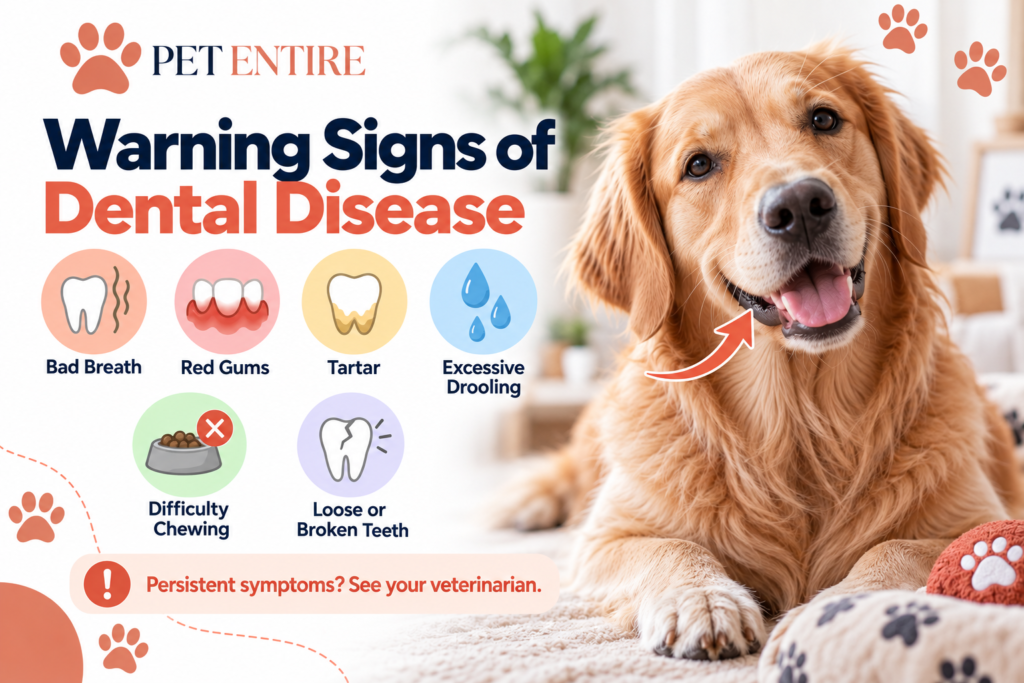
Bad breath becomes more concerning when it appears with other oral signs. Red gums, yellow or brown tartar, bleeding, loose teeth, excessive drooling, difficulty chewing, dropped food, and facial swelling can all indicate dental disease.
Dogs often hide pain, so the absence of obvious distress does not guarantee a healthy mouth. AAHA notes that many pets show few visible signs until dental disease has progressed.
Signs That Need a Dental Examination
Watch for persistent bad breath combined with gum inflammation, damaged teeth, chewing changes, drooling, pawing at the mouth, or facial swelling. These signs can occur with periodontal disease, tooth infection, or other oral problems.
If your dog develops facial swelling, significant pain, difficulty swallowing, or difficulty breathing, seek veterinary care promptly. Severe breathing or swallowing problems can require emergency attention.
If your dog has bad breath along with swollen gums, pain, difficulty eating, or facial swelling, learn more about the signs of a dog tooth infection.
Can Bad Dog Breath Be a Sign of a Serious Health Problem?
Sometimes. Certain systemic illnesses can change breath odor, although dental disease remains a much more common explanation. Kidney disease can be associated with an ammonia-like odor, while serious diabetic complications can cause fruity-smelling breath.
The important point is that smell alone cannot diagnose disease. A veterinarian may need a physical examination, bloodwork, urinalysis, dental imaging, or other tests to determine what is happening.
Kidney Disease, Liver Disease, and Diabetes
Kidney problems may sometimes produce an ammonia-like odor. Diabetes can cause a sweet or fruity smell in serious metabolic states. Liver disease can also be associated with changes in breath and other signs of illness.
These conditions usually cause additional symptoms. Increased thirst, increased urination, vomiting, weakness, weight loss, appetite changes, or lethargy make veterinary evaluation especially important.
Digestive Problems and Foreign Objects
Digestive problems can sometimes influence breath, especially when vomiting, reflux, or dietary indiscretion occurs. However, chronic bad breath should not automatically be blamed on the stomach.
Foreign material in the mouth is another possibility. Sticks, grass, toy fragments, or food can become trapped and produce odor. A veterinarian can safely examine the mouth if you suspect a foreign body.
When Should You Take Your Dog to the Vet for Bad Breath?
Persistent bad breath should be discussed with a veterinarian, especially when it does not improve with reasonable home dental care. Chronic halitosis can indicate periodontal disease, an infected tooth, or another oral problem.
Seek veterinary care sooner when the odor occurs with bleeding, severe gum swelling, difficulty eating, loose or broken teeth, excessive drooling, facial swelling, weight loss, vomiting, or diarrhea. Cornell lists bad breath, mouth bleeding, facial swelling, drooling, and eating difficulty among signs that warrant veterinary attention.
Emergency Warning Signs
Some symptoms require more urgent action than routine dental care. Rapid facial swelling, trouble breathing, trouble swallowing, collapse, severe weakness, or significant deterioration should be treated as urgent veterinary concerns.
A fruity breath odor combined with vomiting, weakness, dehydration, or abnormal breathing can also indicate a serious metabolic problem. Do not wait for a home remedy to work when your dog appears seriously ill.
What Happens During a Veterinary Dental Examination?
A veterinary dental evaluation starts with an examination of your dog’s mouth and overall health. The veterinarian checks the teeth, gums, tongue, palate, and other oral structures for signs of dental disease, infection, trauma, or abnormal tissue.
For a comprehensive dental procedure, anesthesia allows the veterinary team to safely examine the entire mouth, take dental X-rays, clean above and below the gumline, and treat diseased teeth. AAHA and Cornell both describe radiographs as an important part of evaluating structures hidden below the gumline.
Professional Cleaning and Treatment
A professional cleaning removes plaque and calculus from tooth surfaces. The teeth are then polished, while periodontal probing and dental radiographs help identify disease that is not visible during an ordinary awake examination.
If a tooth is severely damaged or infected, additional treatment may be necessary. The goal is not simply to make the teeth look cleaner. It is to identify and treat the underlying source of pain, infection, and odor.
How Long Does It Take to Get Rid of Bad Dog Breath?
The timeline depends entirely on the cause. A temporary food odor may disappear quickly, while plaque-related odor can improve as you establish consistent dental care.
Heavy tartar, periodontal disease, and infected teeth require a different approach. In these cases, the answer to how to get rid of bad dog breath fast depends on appropriate veterinary treatment followed by consistent home care.
When Home Care Starts Helping
Brushing can immediately remove some loose plaque and food debris, but it does not remove established calculus. Its greatest value comes from preventing new plaque from accumulating.
Plaque begins forming again after the teeth are cleaned, which is why daily home dental care matters even after professional treatment.
Why Bad Breath Can Return
Bad breath can return when plaque builds up again or when an underlying dental problem remains untreated. Some dogs may also have higher dental risk because of tooth crowding, breed, age, or individual oral anatomy.
Regular brushing, appropriate dental products, and veterinary examinations help reduce recurrence. Dental care is an ongoing routine, not a one-time fix.
How to Prevent Bad Dog Breath From Coming Back
Once your dog’s breath improves, prevention should become the main goal. Regular plaque control can help slow tartar formation and reduce the chance of painful dental disease.
A practical routine combines daily brushing, suitable dental products, fresh water, safe chewing options, and regular veterinary dental assessment. AAHA recommends ongoing home dental care because plaque begins accumulating again soon after cleaning.
Build a Consistent Oral-Care Routine
Brush your dog’s teeth regularly with pet toothpaste and a suitable toothbrush. Add a veterinary-recommended dental chew, dental diet, or water additive when appropriate.
Monitor the mouth for red gums, tartar, broken teeth, bleeding, swelling, or changes in chewing. Early detection gives your veterinarian a better chance to address problems before they become advanced.
Schedule Preventive Veterinary Dental Exams
Regular veterinary examinations help identify dental disease that may not be obvious at home. Your veterinarian can recommend when a professional dental procedure is appropriate based on your dog’s age, breed, medical history, and oral health.
Prevention matters because periodontal disease can progress quietly. AAHA recommends dental evaluation as part of regular preventive veterinary care.
Frequently Asked Questions About Bad Dog Breath
Bad breath is often linked to dental disease, but the cause can vary. These questions cover the most useful information without repeating the same answer in several forms.
How can I get rid of my dog’s bad breath fast?
Start with gentle toothbrushing using dog-safe toothpaste, fresh water, and an appropriate dental product. These can reduce surface plaque and food debris.
If the odor keeps returning, freshening is not the same as treating the cause. Your dog may have tartar, periodontal disease, or an infected tooth that requires veterinary care.
Why does my dog’s breath smell so bad?
The most common cause is dental disease involving plaque, tartar, gingivitis, or periodontal disease. Food trapped around teeth, broken teeth, foreign objects, and some medical conditions can also cause odor.
Persistent halitosis should not be ignored, especially when other symptoms are present.
Does brushing my dog’s teeth really help?
Yes. Regular brushing removes plaque before it can harden into tartar. Cornell identifies brushing as the most effective home method for preventing dental disease.
Daily brushing works best, although dogs that are new to dental care may need gradual training.
Can I use human toothpaste on my dog?
No. Use toothpaste specifically made for dogs. Human toothpaste may contain ingredients that are unsafe when swallowed, including xylitol in some products.
Pet toothpaste is designed for dogs and is available in flavors that can make brushing easier.
Do dental chews replace toothbrushing?
No. Dental chews can provide additional mechanical plaque control, but they do not reliably clean every surface or treat disease below the gumline.
Choose appropriate products and consider VOHC-accepted options. Toothbrushing remains the primary home-care method when your dog tolerates it.
Can bad breath mean my dog has a tooth infection?
Yes. An infected tooth can cause strong odor and may also produce drooling, facial swelling, chewing difficulty, pain, or appetite changes.
A veterinarian may need dental X-rays to identify disease around the tooth root because important structures are hidden below the gumline.
Can kidney disease cause bad breath?
It can sometimes produce an ammonia-like odor, but breath smell alone cannot diagnose kidney disease.
If unusual breath occurs with increased thirst, increased urination, vomiting, weakness, or appetite changes, contact your veterinarian for an examination and appropriate testing.
Why does my dog’s breath smell sweet or fruity?
Sweet or fruity breath can occur with serious metabolic problems such as diabetic ketoacidosis. It is especially concerning when accompanied by vomiting, weakness, dehydration, or abnormal breathing.
If these symptoms occur together, seek urgent veterinary care rather than trying home dental remedies.
When should I worry about my dog’s bad breath?
Persistent odor deserves attention, particularly when accompanied by bleeding gums, loose teeth, difficulty chewing, excessive drooling, facial swelling, weight loss, vomiting, diarrhea, or appetite changes.
Severe facial swelling, breathing difficulty, swallowing difficulty, collapse, or profound weakness can require emergency veterinary attention.
Can a professional dental cleaning fix bad dog breath?
It can significantly improve breath when plaque, tartar, and periodontal disease are responsible. Professional cleaning can reach areas below the gumline that cannot be safely cleaned at home.
However, some dogs need additional treatment for infected, fractured, or severely diseased teeth. The goal is to treat the cause rather than simply improve the smell.
Final Thoughts
If you are searching for how to get rid of bad dog breath fast, start with safe, evidence-based dental care. Brush your dog’s teeth with pet toothpaste, provide fresh water, use appropriate dental products, and keep up with veterinary examinations.
Most importantly, do not confuse freshening with treatment. Persistent bad breath is often a sign of dental disease, and a breath spray or home remedy cannot remove established tartar or treat an infected tooth. If your dog develops bleeding, facial swelling, severe pain, difficulty eating, vomiting, unusual weakness, or breathing or swallowing problems, seek veterinary care promptly.
Good dental care is not about keeping your dog’s breath pleasant for cuddles alone. It helps protect the teeth, gums, comfort, and long-term oral health of your dog.
Read More
- Can Dogs Have Cinnamon? — Learn whether cinnamon is safe for dogs and what to watch for.
- Why Is My Dog Peeing Blood? — Understand common causes of blood in a dog’s urine.
- Why Is My Cat Vomiting Yellow? — Find out what yellow vomit may mean in cats and when to see a vet.