Choosing the best skinning knife blade length for different hunting needs can make a noticeable difference in control, cutting efficiency, and comfort during field processing. A blade that works well for rabbits or squirrels may feel too small for larger animals, while an oversized knife can make detailed work more difficult.
For hunters interested in patterned blades and different knife designs, exploring handmade skinning knives from Divine Knives can help you compare available styles and identify options that match your preferences.
The right blade length depends on the animal you hunt, the type of processing you perform, your experience level, and your preferred knife design. Hunters should also consider blade shape, steel quality, handle comfort, and ease of cleaning when choosing a reliable tool.
Divine Knives offers a range of knife designs for people interested in handmade blades and traditional craftsmanship. Visit the Divine Knives official website to explore the brand and its available products.
You can also browse the Divine Knives skinning knife collection to compare different styles and review the product specifications. Check each listing for blade length, handle material, and other relevant details before deciding which option best suits your needs.
Why Skinning Knife Blade Length Matters
Blade length affects how easily you can control the cutting edge and cover larger areas during skinning. A shorter blade generally provides better maneuverability around smaller animals and confined areas. A moderately sized blade offers a useful balance between precision and cutting reach.
Longer blades can cover more distance during a stroke, but they are not automatically better for every hunting situation. Control, blade geometry, and the user’s technique remain important.
Better Control During Detailed Work
Skinning often requires careful movements around legs, joints, and areas where the hide meets the underlying tissue. A compact blade can make these movements easier because the cutting edge is easier to manage in tight spaces.
Efficient Cutting Across Larger Areas
A longer blade can help cover broader sections of hide with fewer strokes. However, excessive length can reduce precision when working around delicate areas. The best choice balances reach with maneuverability.
Comfort During Extended Processing
Handle design, knife weight, balance, and blade length all affect comfort. A well-balanced knife that fits your hand can help reduce fatigue during extended processing sessions.
Best Skinning Knife Blade Length by Game Size
The ideal blade length depends on the size of the animal and the type of work involved. The following ranges provide a practical starting point rather than strict rules.
1. Small Game: 2.5 to 3.5 Inches
Small game, including rabbits and squirrels, generally benefits from a compact blade. These animals require controlled movements, and a long blade can feel cumbersome during detailed work.
A blade around 2.5 to 3.5 inches can offer useful maneuverability for small-game processing. Hunters should prioritize a comfortable grip, a suitable cutting edge, and careful control over maximum blade length.
2. Deer and Medium Game: 3.5 to 4.5 Inches
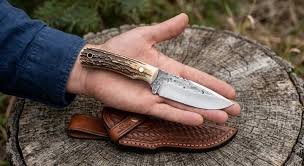
For deer-sized game, a blade around 3.5 to 4.5 inches provides a practical balance between precision and reach. This range is popular among hunters who want a dedicated skinning knife without carrying an unnecessarily large blade.
A curved cutting edge can help the knife follow the contours of the hide. A comfortable handle and manageable tip also make detailed work easier.
3. Elk and Other Large Game: 4 to 5 Inches
Hunters processing larger animals may prefer a blade around 4 to 5 inches for additional reach across broad areas. The exact choice depends on the blade profile, the processing method, and the user’s experience.
A longer blade does not eliminate the need for controlled cutting. Work around joints and other confined areas still benefits from shorter, deliberate movements.
4. Farm Animals and Livestock Processing: 4 to 6 Inches
For appropriate livestock-processing tasks, a blade around 4 to 6 inches may provide useful reach across larger surfaces. The best length depends on the animal, the specific task, and whether the knife is intended for skinning or another processing step.
Different tasks may require different tools. A skinning knife is not necessarily the best choice for boning, butchering, or every stage of meat processing.
How to Choose the Right Skinning Knife Blade Length
Selecting the right blade requires more than comparing measurements. Consider how you intend to use the knife and which characteristics matter most for your regular hunting activities.
Consider the Animals You Hunt Most Often
Start with your primary use case. If you mainly process small game, a compact knife may be more practical than a large hunting blade. If you frequently process deer, a medium-length skinning knife can provide a useful balance.
Hunters who pursue several types of game may prefer a versatile blade or a small selection of specialized knives.
Match Blade Length to Your Experience
A shorter blade can be easier to control during detailed work, particularly for someone still developing consistent technique. More experienced users may prefer different lengths depending on their processing style and the animals they handle.
Regardless of experience, choose a knife that feels stable and manageable rather than selecting a longer blade simply because it appears more substantial.
Evaluate Blade Shape Alongside Length
Blade profile can influence performance as much as blade length.
Drop-Point Blades
Drop-point blades offer a controlled tip and a gently curved edge. They are versatile options for hunters who want a knife that can perform several field-processing tasks.
Curved Skinning Blades
A pronounced belly can support sweeping cuts along broad surfaces. This design is especially relevant when the main purpose is separating hide from the underlying tissue.
Trailing-Point Blades
Trailing-point designs provide an extended cutting belly that can be useful for particular skinning techniques. Their raised tips require careful control, especially in confined areas.
The best profile depends on the task. Blade length and shape should work together rather than being considered independently.
Best Blade Material for a Skinning Knife
Blade material influences corrosion resistance, edge retention, toughness, and maintenance. The right steel depends on the knife’s construction and the conditions in which you use it.
Damascus Steel Skinning Knives
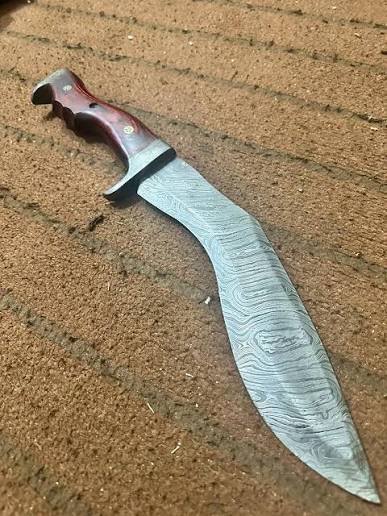
Damascus steel is popular among handmade knife enthusiasts because of its distinctive patterns and craftsmanship. Its performance depends on the constituent steels, manufacturing quality, heat treatment, and blade geometry.
Stainless Steel
Stainless steel offers useful corrosion resistance, making it a practical choice for hunting environments where moisture and frequent cleaning are concerns. Specific performance characteristics depend on the steel grade and heat treatment.
High-Carbon Steel
High-carbon steel can provide excellent cutting performance and is often straightforward to sharpen. However, it typically requires more attention to cleaning, drying, and storage to help prevent corrosion.
Whichever material you choose, regular maintenance is essential for safe and reliable use.
Handle Comfort and Grip Matter Too
Even a correctly sized blade can be difficult to use if the handle does not fit comfortably. Handle shape, surface texture, balance, and material all influence control.
Choose a Secure, Comfortable Handle
A handle should fit your hand without forcing an awkward grip. Textured materials can improve control in damp conditions, while natural materials may appeal to hunters who prefer a traditional appearance.
Consider Cleaning and Maintenance
Blood, moisture, and other residues should be removed promptly after use. Select a knife that can be cleaned thoroughly, and follow the manufacturer’s care recommendations for the blade and handle materials.
Common Mistakes When Choosing Skinning Knife Length
Assuming Longer Blades Are Always Better
A longer blade may provide more reach, but it can be harder to maneuver around small animals and confined areas. Choose length according to your actual processing needs.
Ignoring Blade Geometry
Two knives with the same blade length can perform differently because of their edge profile, thickness, and tip design. Evaluate the complete blade rather than relying on length alone.
Overlooking Handle Fit
An uncomfortable handle can affect control and increase fatigue. Whenever possible, consider the handle’s shape, grip, and balance alongside blade measurements.
Forgetting Maintenance Requirements
Steel selection influences how a knife should be maintained. Clean and dry the blade after use, and store it according to the manufacturer’s recommendations.
Finding the Right Skinning Knife at Divine Knives
Choosing the right skinning knife means balancing blade length, shape, material, and handle comfort. Hunters should compare these characteristics with their intended use rather than choosing a knife based on appearance alone.
Divine Knives offers a range of knife designs for people interested in handmade blades and traditional craftsmanship. Visit the Divine Knives official website to explore the brand and its available products.
You can also browse the Divine Knives skinning knife collection to compare different styles and review the product specifications. Check each listing for blade length, handle material, and other relevant details before deciding which option best suits your needs.
Frequently Asked Questions
What is the best blade length for a skinning knife?
The best length depends on the intended use. A blade around 3.5 to 4.5 inches is a practical starting point for deer-sized game, while smaller animals may be easier to process with a shorter blade.
Is a 3-inch skinning knife long enough for deer?
A 3-inch blade can handle many deer-skinning tasks when it has a suitable profile and the user has appropriate technique. A longer blade may provide additional reach, but it is not always necessary.
Is a 5-inch blade too long for skinning?
Not necessarily. A 5-inch blade can be useful for larger animals and broader cutting areas. However, some users may find it less convenient for small game or detailed work.
What blade shape is best for skinning?
A curved skinning blade is designed for separating hide, while a drop-point blade offers greater versatility. The right shape depends on the user’s priorities and the tasks the knife must perform.
Is Damascus steel good for skinning knives?
Damascus steel can be suitable for functional skinning knives when the materials, construction, and heat treatment are appropriate. Its patterned appearance is distinctive, but the finished knife’s performance depends on more than appearance alone.
How should a skinning knife be maintained?
Clean the blade after use, dry it thoroughly, and follow the manufacturer’s guidance for sharpening and storage. Carbon steel may also require a light protective coating to help prevent rust.
Conclusion
The best skinning knife blade length for different hunting needs depends on game size, processing requirements, blade geometry, and personal preference. Compact blades offer maneuverability for small game, while medium-length blades provide a useful balance for deer-sized animals. Longer options can be appropriate for larger processing tasks when additional reach is helpful.
Before choosing a knife, consider blade length alongside steel quality, handle comfort, and maintenance requirements. Explore Divine Knives and its skinning knife collection to compare available designs and find a blade that matches your intended use.