Household dust is a common problem that affects homes of every size. It collects on furniture, settles on floors, gathers around windows, and builds up in areas that are rarely cleaned. Although dust may seem like a minor housekeeping issue, it can contain pollen, pet dander, dust mite particles, mold spores, and other airborne contaminants that affect indoor air quality.
Learning how to reduce household dust for better indoor air quality starts with identifying where dust comes from and adopting practical cleaning habits. Regular dust removal, improved ventilation, appropriate air filtration, and better control of indoor moisture can help create a cleaner and more comfortable living environment.
Maintaining a clean home is an important step toward a healthier lifestyle. Explore these health and wellness guides from MtechContent to discover practical information and helpful tips for improving your everyday well-being. Small changes in cleaning habits and indoor environments can make your home more comfortable.
Why Household Dust Matters for Indoor Air Quality
Dust is a mixture of tiny particles that come from both indoor and outdoor sources. It can include dead skin cells, fibers from clothing and furniture, soil tracked in from outside, pollen, pet dander, and particles produced during everyday activities.
When dust settles on surfaces, it may appear harmless. However, walking across a room, moving furniture, sweeping, or shaking bedding can send some particles back into the air. People can then inhale these particles while spending time indoors.
According to the US Environmental Protection Agency, regular cleaning, appropriate filtration, and controlling pollution sources are important strategies for reducing indoor particulate matter.
Dust can be particularly troublesome for people with allergies or asthma because certain particles may trigger symptoms. Reducing dust does not eliminate every indoor pollutant, but it is a useful step toward maintaining a cleaner home.
What Causes Dust to Accumulate Inside Your Home?
Understanding the sources of household dust makes it easier to prevent buildup instead of repeatedly cleaning the same surfaces.
Household dust, pollen, and other airborne particles can affect indoor comfort, especially for people with allergies or respiratory sensitivities. Learn more about respiratory health and breathing to better understand respiratory wellness and explore relevant information about essential oils and breathing.
Outdoor Dirt and Pollen
Shoes, clothing, bags, pets, and open windows can introduce soil, pollen, and other particles into your home. These materials often collect near entrances, on floors, and around window frames.
During dry or windy weather, outdoor dust may enter through open doors and windows. The amount that enters depends on the surrounding environment, ventilation, and weather conditions.
Pet Hair and Dander
Pets can contribute hair, skin flakes, and dander to household dust. These particles settle on upholstery, carpets, bedding, and other fabric surfaces.
Regular grooming, cleaning pet resting areas, and vacuuming furniture can help limit the accumulation of pet-related debris.
Carpets, Curtains, and Upholstered Furniture
Soft furnishings can trap dust, fibers, pollen, and other particles. Walking on carpets or sitting on upholstered furniture may release some of these particles back into the air.
Curtains, decorative cushions, blankets, and fabric-covered furniture can also collect dust over time. Cleaning these items according to their care instructions helps reduce the amount of material that builds up indoors.
Everyday Household Activities
Cooking, cleaning, burning candles, and using certain household products can release particles into indoor air. Activities such as sweeping or shaking dusty fabrics can also redistribute settled dust.
Reducing unnecessary particle sources and cleaning carefully can help prevent dust from spreading throughout the home.
10 Practical Ways to Reduce Household Dust
The most effective approach combines regular cleaning with simple preventive measures. Instead of focusing only on visible dust, address the surfaces, fabrics, and activities that allow it to accumulate.
1. Dust Surfaces With a Damp Microfiber Cloth
Dry dusting can move particles from one surface to another or release them into the air. A slightly damp microfiber cloth helps capture dust instead of simply spreading it around.
Start with higher surfaces, such as shelves, cabinets, ceiling fans, and light fixtures. Then work downward toward tables, furniture, and other frequently used areas.
Rinse the cloth regularly and wash it after cleaning. Avoid soaking wooden furniture or other moisture-sensitive materials, and follow the manufacturer’s cleaning instructions.
2. Vacuum Carpets and Upholstery Regularly
Carpets and fabric furniture can collect dust, pet dander, pollen, and small fibers. Vacuuming helps remove this material before it builds up.
Choose a vacuum cleaner with a well-sealed filtration system and a HEPA filter when appropriate. A HEPA filter can capture fine particles that might otherwise escape from a vacuum, although performance also depends on the entire machine’s design.
Vacuum high-traffic areas and upholstered furniture at least weekly, adjusting the schedule when you have pets, heavy foot traffic, or household members with dust sensitivities.
If vacuuming triggers allergy or asthma symptoms, sensitive individuals should leave the area during cleaning and return after airborne dust has had time to settle.
3. Clean Floors Without Spreading Dust
Hard floors can collect dirt, hair, and fine particles that are easily disturbed by movement.
Use a vacuum suitable for your flooring or a microfiber dust mop to collect loose debris. Follow with a damp mop when needed, taking care not to leave excess water on the floor.
Avoid vigorous dry sweeping when dust is a concern because it can send particles into the air. Pay particular attention to corners, baseboards, and the areas beneath furniture, where dust often accumulates unnoticed.
4. Wash Bedding and Household Fabrics
Bedsheets, pillowcases, blankets, and washable curtains can collect skin flakes, dust mites, pet dander, and other particles.
Wash sheets and pillowcases weekly, following the fabric’s care label. Use an appropriate washing temperature and dry the items completely before putting them back on the bed.
Wash removable cushion covers, throws, and other frequently used fabrics according to their care instructions. If dust mite allergens are a concern, allergen-resistant mattress and pillow covers may also help reduce exposure.
5. Use Doormats and Remove Shoes Indoors
One of the simplest ways to prevent household dust is to stop outdoor dirt at the entrance.
Place sturdy doormats outside and inside frequently used entrances. Clean them regularly so that trapped dirt does not accumulate and spread back into the house.
Create a convenient place for shoes near the door and consider removing them before entering living areas. If you have pets, wiping their paws after outdoor activities can also help limit the amount of dirt they bring inside.
These small habits reduce the amount of soil and debris that reaches carpets and hard floors.
6. Replace HVAC Filters on Schedule
Heating, ventilation, and air conditioning systems circulate air throughout the spaces they serve. Suitable filters can capture some airborne particles before they move through the system.
Check your system’s filter specifications and replacement schedule. A clogged or incorrectly installed filter may restrict airflow or reduce filtration performance.
If your system supports a higher-efficiency filter, consider an upgrade that is compatible with its airflow requirements. Do not install a filter that your equipment cannot safely accommodate.
Regular filter maintenance supports better system performance and can help reduce the recirculation of airborne particles.
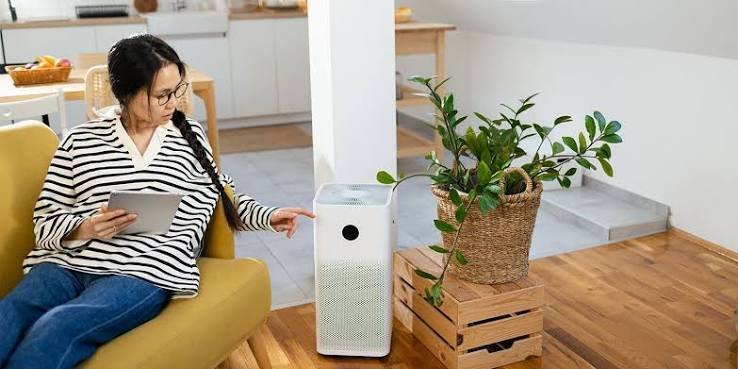
7. Consider a Properly Sized HEPA Air Purifier
A portable air purifier can help remove airborne particles from a room. Models with HEPA filtration are designed to capture fine particles, including some dust and allergen particles suspended in the air.
Before buying an air purifier, consider the room’s size, the unit’s clean air delivery rate, its noise level, and the ongoing cost of replacement filters.
Place the unit where air can circulate freely and operate it according to the manufacturer’s instructions. Clean or replace filters as recommended.
Remember that an air purifier does not remove every source of dust. It works best alongside regular cleaning, source control, and appropriate ventilation.
8. Reduce Clutter and Dust-Trapping Decorations
Open shelves filled with small decorative objects, piles of paperwork, unused textiles, and crowded storage spaces can make dusting more difficult.
Store belongings in drawers, cupboards, or closed containers where practical. Keep frequently used surfaces relatively clear and wash decorative fabrics regularly.
You do not need to remove every personal item from your home. The goal is to make surfaces easier to clean and reduce the number of places where dust can collect unnoticed.
9. Control Indoor Humidity and Moisture
Humidity does not directly remove dust, but it affects dust mites and mold, which can contribute to indoor allergen problems.
Aim to maintain indoor relative humidity around 30% to 50% when practical, while avoiding persistent levels above 60%. A simple humidity monitor can help you understand conditions inside your home.
Use bathroom and kitchen exhaust fans that vent outdoors where available. Repair leaks promptly and dry damp materials thoroughly to discourage mold growth.
If your home is consistently humid, consider whether improved ventilation, air conditioning, or a dehumidifier is appropriate for your situation.
10. Ventilate Your Home When Outdoor Conditions Allow
Ventilation can dilute certain indoor pollutants and help remove stale air. However, opening windows is not always beneficial if outdoor air contains high levels of dust, smoke, or pollen.
Check local air-quality conditions and seasonal pollen levels before opening windows. When outdoor air is relatively clean, opening suitable windows or using a properly maintained ventilation system can improve air exchange.
Use kitchen exhaust ventilation while cooking and bathroom exhaust fans when showering. These measures also help control moisture and other indoor pollutants.
How MtechContent Can Help You Build Better Indoor Wellness Habits
A cleaner home is one part of a broader approach to everyday wellness. Understanding indoor environmental factors, developing consistent cleaning habits, and learning how common household choices affect comfort can help people make more informed decisions.
MtechContent provides an opportunity for readers to explore useful information across health, wellness, and other lifestyle-related subjects. By learning about practical home-care strategies alongside broader wellness topics, readers can develop routines that support a cleaner and more comfortable living environment.
For households looking to improve indoor conditions, the most useful changes are often straightforward: remove dust regularly, reduce the sources of indoor particles, maintain filtration equipment, and address moisture problems promptly.
These measures are practical starting points rather than guarantees of completely dust-free air. The right routine depends on the home’s layout, outdoor environment, ventilation system, and the needs of the people living there.
Room-by-Room Dust Reduction Tips
Different areas of a home collect dust for different reasons. A room-specific approach can make cleaning more efficient and help you focus on neglected areas.
Bedroom
Bedrooms contain bedding, pillows, mattresses, curtains, and upholstered furniture that can collect dust and allergens.
- Wash sheets and pillowcases weekly.
- Vacuum beneath the bed and around furniture.
- Clean bedside tables, lampshades, and window frames.
- Store unused clothing and bedding in closed cupboards or containers.
- Consider allergen-resistant bedding covers if dust mites are a concern.
Living Room
Living rooms often contain rugs, upholstered seating, electronics, bookshelves, and decorative objects.
- Vacuum rugs and furniture regularly.
- Use a damp cloth on shelves and hard surfaces.
- Clean behind televisions and other electronics when safe.
- Wash removable cushion covers according to their care labels.
- Keep frequently used surfaces clear enough to clean easily.
Kitchen
Cooking can generate airborne particles, while food debris and moisture can create additional household problems.
- Use an exhaust hood that vents outdoors when possible.
- Wipe counters and cabinet surfaces with a suitable damp cloth.
- Clean beneath appliances where accessible.
- Remove crumbs and food debris promptly.
- Keep the area dry and clean up spills quickly.
Bathroom
Bathrooms are often more affected by moisture than by dust alone, but they still need regular cleaning.
- Use an exhaust fan that vents outdoors.
- Clean shelves, vents, and accessible surfaces regularly.
- Address leaks and condensation promptly.
- Dry wet surfaces when practical.
- Keep towels and washable bath mats clean and dry.
Common Dust-Cleaning Mistakes to Avoid
Even a regular cleaning routine may be less effective if it spreads particles or misses common collection points.
Using a Dry Cloth on Every Surface
A dry cloth may move fine particles around rather than capture them. A slightly damp microfiber cloth is generally a better option for compatible hard surfaces.
Ignoring Air Filters
Dirty or overdue filters can reduce the effectiveness of a filtration system. Check the manufacturer’s maintenance guidance rather than waiting until the filter looks visibly dirty.
Cleaning Only Visible Areas
Dust frequently accumulates behind furniture, under beds, on fan blades, along baseboards, and around window frames. Include these locations in your routine.
Relying Only on an Air Purifier
Air purifiers can reduce some airborne particles, but they do not eliminate dust sources or replace cleaning. A combined approach is more effective than relying on one device alone.
Using Too Many Fragranced Cleaning Products
Strong fragrances do not make a home cleaner or its air healthier. Some cleaning products can irritate the eyes, nose, throat, or airways in sensitive people.
Choose suitable products, follow label directions, and ventilate the area when recommended. Never mix cleaning products, particularly bleach with ammonia or acids, because dangerous gases can form.
How Often Should You Clean to Control Household Dust?
A consistent schedule helps prevent dust from building up to the point where cleaning becomes difficult. The ideal frequency depends on pets, household activity, flooring, outdoor conditions, and individual sensitivities.
| Cleaning task | Suggested frequency |
| Wipe frequently used surfaces | Weekly or as needed |
| Vacuum carpets and upholstery | Weekly, or more often if needed |
| Wash bedsheets and pillowcases | Weekly |
| Clean hard floors | Weekly or as needed |
| Clean doormats and entry areas | Weekly or when visibly dirty |
| Check HVAC and air purifier filters | According to manufacturer guidance |
| Clean ceiling fans and high shelves | Every few weeks or as needed |
| Inspect for moisture and leaks | Regularly, and whenever a problem appears |
This schedule is a practical starting point, not a rigid rule. Homes with pets, construction nearby, heavy foot traffic, or dust-sensitive occupants may require more frequent cleaning.
Frequently Asked Questions
Does household dust affect indoor air quality?
Yes. Household dust can contain particles such as pollen, pet dander, dust mite material, and mold spores. Activities such as walking, sweeping, and moving fabrics can send some settled particles back into the air.
What is the best way to remove dust without spreading it?
Use a slightly damp microfiber cloth for compatible surfaces, vacuum carpets with a suitable filtration system, and use a damp mop on appropriate hard floors. Clean from higher surfaces downward so that fallen dust can be collected afterward.
Do air purifiers help reduce household dust?
Air purifiers with suitable particle filtration can remove some airborne dust particles. Their effectiveness depends on factors such as room size, clean air delivery rate, placement, and maintenance. They do not eliminate the need to clean settled dust.
How can I reduce dust if I have pets?
Groom pets regularly, wash pet bedding, vacuum carpets and upholstery, and clean the areas where pets rest. Keep air filters maintained and consider keeping pets out of bedrooms if pet allergens are a concern.
Can opening windows make household dust worse?
Yes, in some situations. Open windows can introduce outdoor soil, pollen, and other particles, especially during dusty weather or periods of high pollen. Ventilate when outdoor conditions are suitable and use appropriate filtration when windows need to remain closed.
How can I reduce dust in a bedroom?
Wash bedding weekly, vacuum under the bed, clean furniture with a damp cloth, reduce unnecessary clutter, and maintain suitable humidity. Allergen-resistant mattress and pillow covers may be useful for people concerned about dust mite allergens.
Is household dust completely avoidable?
No. Dust is a normal part of indoor environments because particles enter from outdoors and are produced by everyday activities. The practical goal is to reduce accumulation, limit sources, and manage airborne particles rather than eliminate all dust.
Final Thoughts
Learning how to reduce household dust for better indoor air quality is about creating sustainable habits, not achieving a perfectly dust-free home. Regular damp dusting, vacuuming, clean bedding, suitable air filtration, and good moisture control can all contribute to a cleaner indoor environment.
Start with the areas where dust collects most often, such as bedrooms, carpets, upholstered furniture, and entryways. Then build a manageable cleaning schedule and maintain your home’s ventilation and filtration equipment.
For more comfortable indoor spaces, combine these habits with sensible source control and ventilation based on outdoor conditions. Small, consistent improvements can help reduce household dust and support better indoor environmental quality over time.